
Setting A Foundation for Long-Term Resilience
Recap: North State Jobs First In-Person Meeting
On a bright fall day in Anderson, partners within the North State Jobs First region came together to celebrate progress, glean lessons from the initiative, and explore how to work together into the future. More than 90 people attended the public day-long meeting on September 30, 2026.
This message launches a four-part series of communications that will flow out over the next several weeks. The communications will include (1) today’s recap of the September 30 gathering, (2) a deeper look at the work groups launched during the gathering, (3) a summary of Jobs First progress and learnings in the North State, and (4) a review of Catalyst Project opportunities for scaling and shared learning. We invite thoughts, feedback, and engagement from regional partners at every step.
Arriving at a Pivotal Moment
The North State Jobs First initiative has reached a turning point, with the State ending the program next June. Launched in 2022, the California Jobs First initiative has focused on creating jobs, fostering economic growth, and retooling economies to manage climate and weather disruptions. In 2024, the North State Jobs First Regional Plan described the ambitions shared by the 10 counties: Butte, Glenn, Lassen, Modoc, Plumas, Shasta, Sierra, Siskiyou, Tehama, and Trinity.
The Plan envisions a resilient North State economy that supports climate-adaptive forests and watersheds, healthy and financially secure communities, and innovative local business growth linked to regional markets. It was developed through collaborative processes led by the North State’s co-conveners: The North State Planning and Development Collective and the Sierra Institute for Community and Environment.
The Regional Plan seeks to advance four key sectors:
-
Agriculture
-
Natural Resources
-
Tourism
-
Healthcare
The plan also identified “foundational elements” necessary for resilience:
-
Job Development and North State Career Pathways
-
Physical Infrastructure
-
Social Infrastructure
These interrelated drivers were central themes during the September 30 meeting, which was hosted by the co-conveners.
Recap: Coming Together to Set a Foundation for Long-Term Resilience
Participants at the September 30 meeting in Anderson came from all corners of the North State. Through plenary discussions, poster demonstrations, and focused work groups, they benchmarked progress and explored both the challenges and opportunities spotlighted through the historic Jobs First program. Participants listened to one another’s stories. They shared learnings and experiences. And they forged new pathways and commitments to help Jobs First goals become reality.
“This is a transitional moment,” Jonathan Kusel, Executive Advisor at the Sierra Institute, told the group. “We are laying the groundwork for the North State for what is new and what is coming in the future. We really are better together than any one North State county. When folks are pulling together like this, we get heard, we get results, and we accomplish more.”
Partners described seven key opportunities that emerged through the Jobs First initiative. Participants then explored in work groups ways to generate additional progress. The session concluded with participants completing inspiring “commitment cards” on how they intend to contribute in the future.
Here is a brief recap of the work group deliberations. A deeper summary will soon follow, along with information about ways to become active in this ongoing process.
- Workforce Pipelines: Relationships are Infrastructure. Work group priorities included further relationship-building and learning forums, developing shareable tools and resources, and strategic grant applications that leverage collaboration.
- Healthcare Urgency: Preparing for Uncertainty. Participants focused on the urgent workforce pipeline crisis and ways to bring educators and health industry partners together on solutions.
- Product Marketability: Lessons from the Land. Developing shared learning forums, statewide connections, and strategic storytelling and communications will all be critical.
- Watershed Partners: Stewardship is Contagious. Engaging with partners across the state who depend on healthy upper watersheds in the North State will be key to generating statewide investments.
- Access to Capital: Making Money Flow Uphill. Visioning work that “thinks bigger” is critical, along with well-designed communications and outreach to drive understanding and investments.
- Permit Trailblazing: Tenacity and Trust / Tourism Connections: Linking and Learning. A single workgroup tackled these topics and found awareness and outreach are needed across the board, along with deeper government engagement on permit streamlining.
Please watch for the next installment of this communications series, which will look more deeply at these work groups, including September 30 conclusions and commitments, as well as ongoing work. Feedback is welcome here: Zoe Watson, Director of Rural Development at the Sierra Institute, zwatson@sierrainstitute.us.
Related Posts
-
Rural Community Development

-
Mar 11, 2026

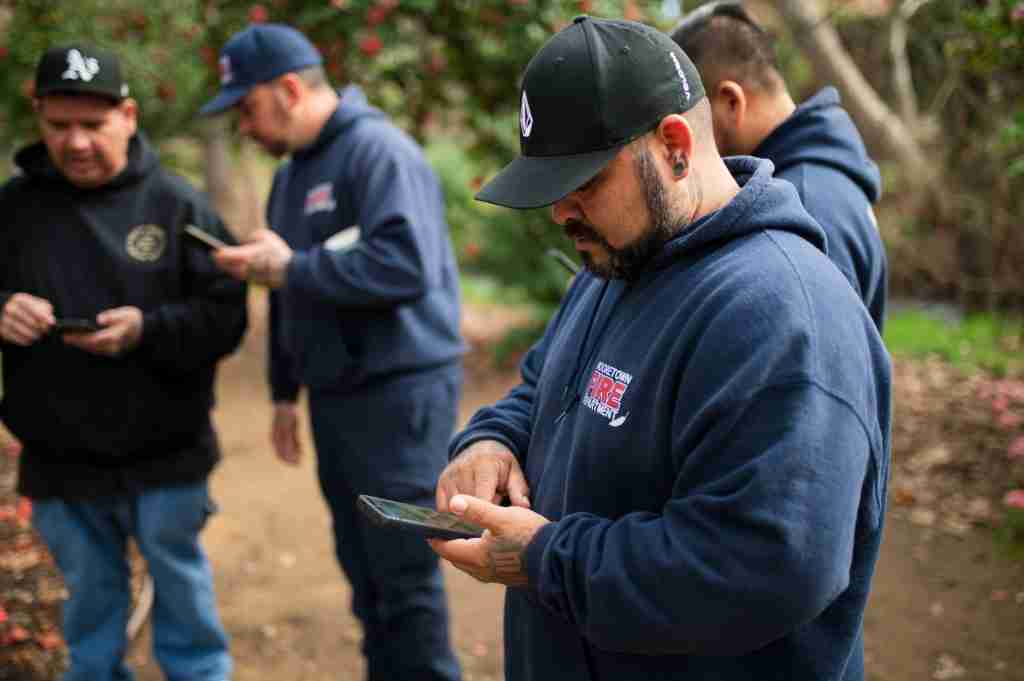
Sovereignty in Every Map
Explore the intersection of indigenous wisdom and GIS technology in this recap of the Tribal Data Sovereignty workshop held at…
-
Rural Community Development
-
Feb 24, 2026
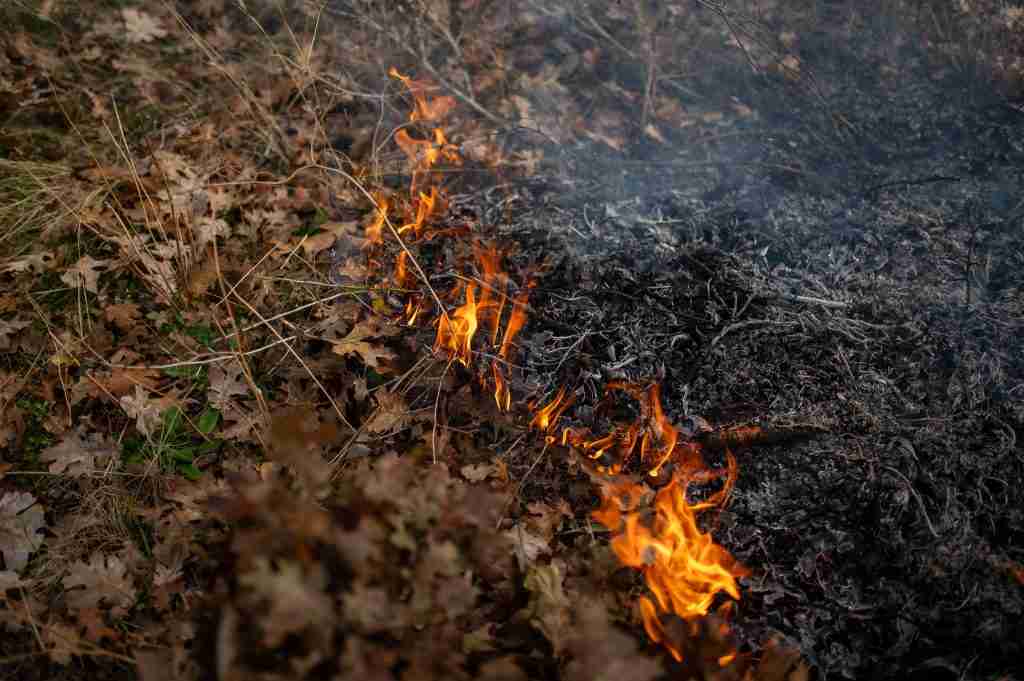
The Hawksprey Burn
The Sierra Institute joined forces with the Pit River Tribe to implement specialized skills training through the Hawksprey Burn project.…
-
Rural Community Development
-
Feb 18, 2026
Introducing the Interactive North State Hidden Disparities Map
Sierra Institute is pleased to introduce the Hidden Disparities Map, produced by UC Davis in partnership with North State Jobs…


