|
|
|
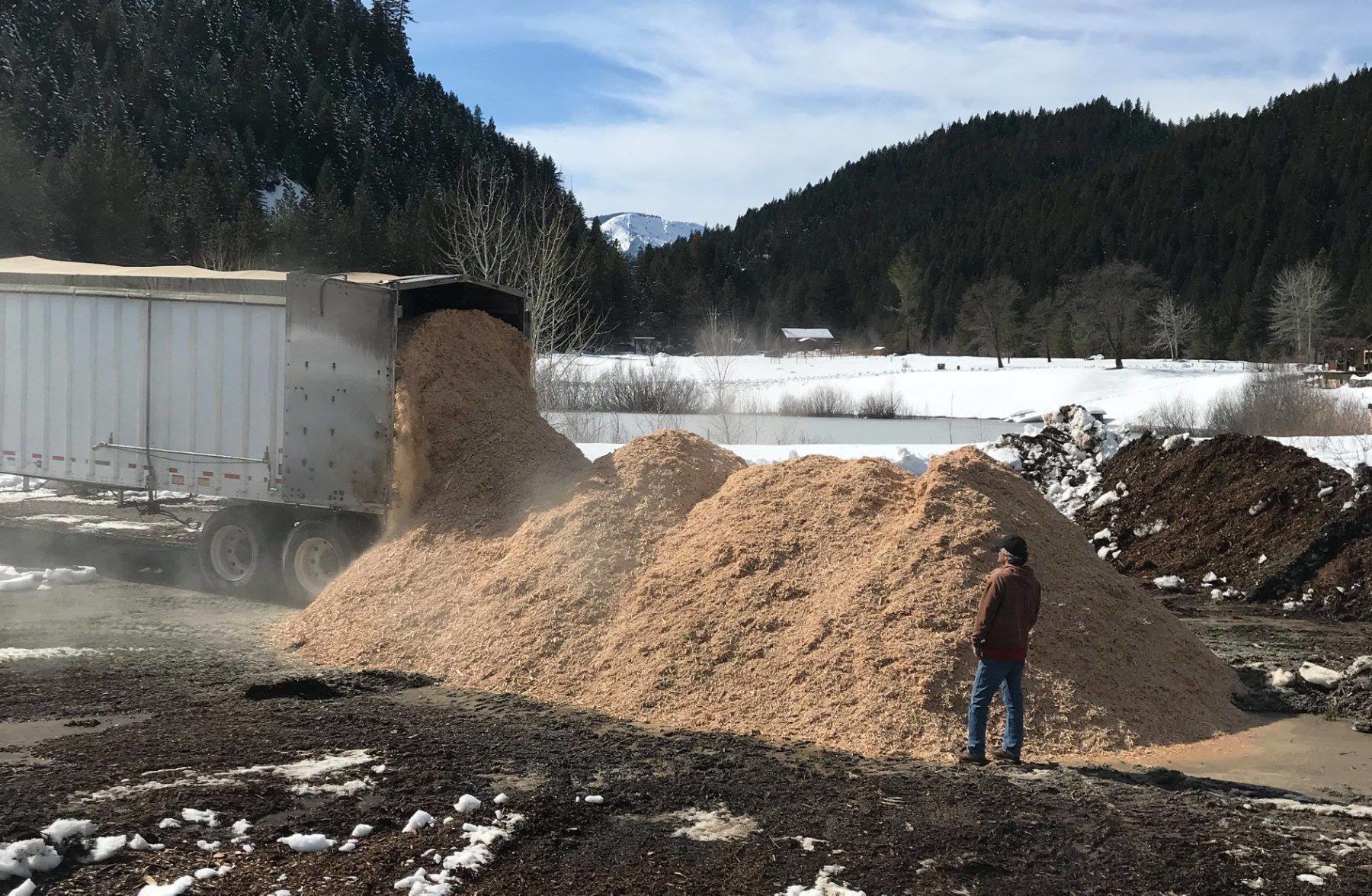
Woody RenewablesFinal Report ReleasedResults from a nearly year-long study that assessed value-added uses for biomass within the Upper Feather River Watershed and explored options for improving forest biomass transportation techniques have been results as a final report. The Forest Biomass Transport and Value-Added Market Optimization Assessment for the Upper Feather River Watershed was completed by TSS Consultants under contract to Sierra Institute as part of the Institute’s Cooperative Agreement with the Plumas National Forest. The primary focus of the Cooperative Agreement is to identify expanded economic uses of biomass through reduction of hazardous fuels on National Forest System Lands. The report is also posted on TSS Consultant’s website. The study was needed to understand current challenges in recovering and transporting forest biomass to market, primarily within the Plumas National Forest, and was comprised of the following:
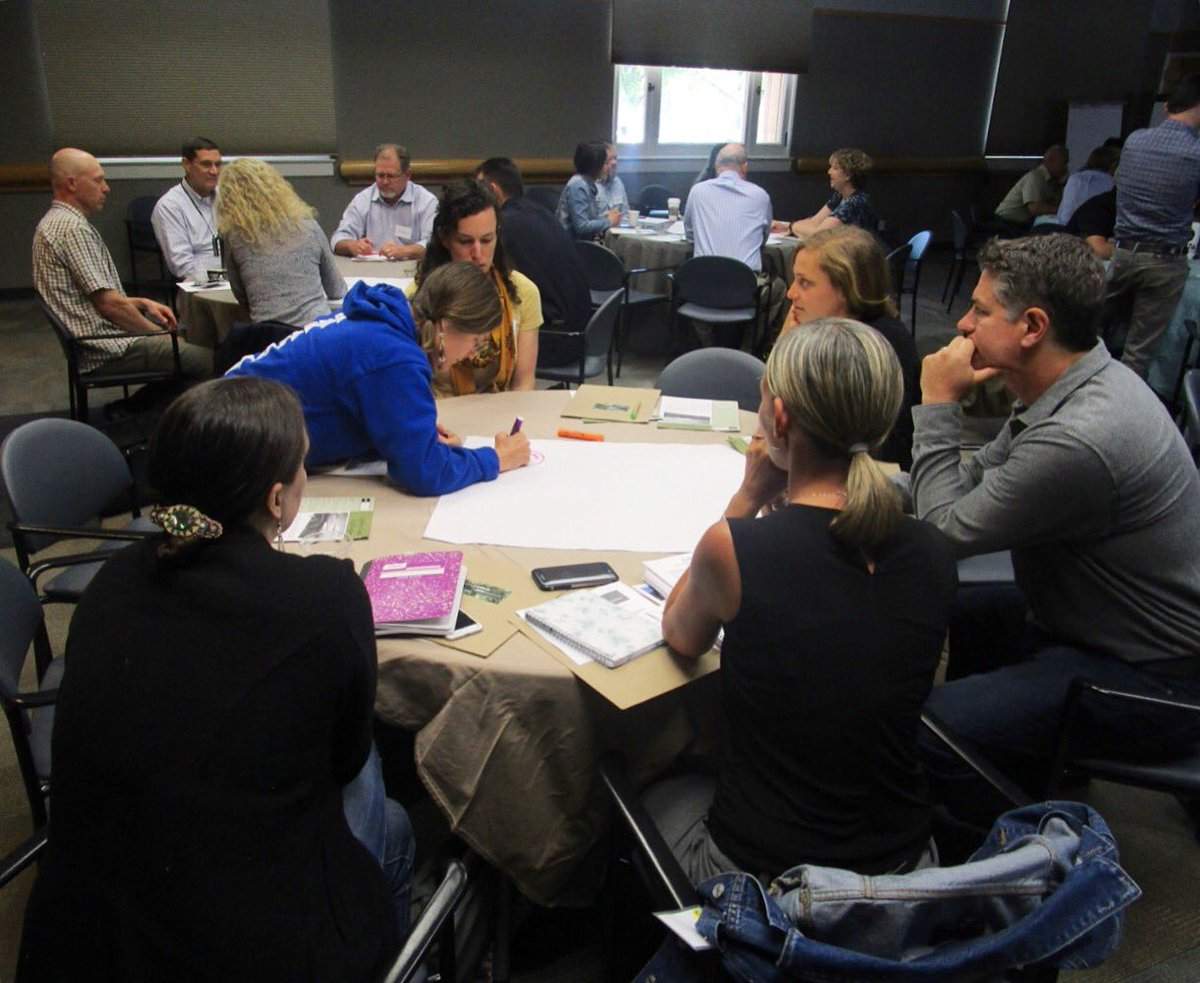
April 16th Meeting - Quincy, CaliforniaThe Forest Biommas Utilization Alternatives in the Upper Feather River Watershed were presented at a Community meeting in Quincy on April 16th. Two Power Point presentations are available on this meeting:
Press CoverageMeeting Focuses on Biomass, Jobs (pdf)March 2, 2012 an article reviewing the meeting held in Greenville in February on the utilization of biomass and the creation of jobs. See above for the whole article. Biomass removal targeted at Summit; Risk of Bigger Wildfires Would be ReducedFebruary 15, 2012 an article featured in Redding's Record Searchlight covered the summit Sierra Institute convened on woody renewables. Read the whole article here and read Sierra Institute's recap here. Sierra Institute Forest Biomass Study: Boom or Bust?January 4, 2012 an article written by Alicia Knadler was featured in the Indian Valley Record. Read more...(pdf)
Why Woody Renewables?Many communities and millions of acres of forest ecosystems in California and the West are under significant threat of catastrophic wildfire due to overly dense forest stands. These stands not only represent a considerable fire hazard, but they are also unnatural ecosystems in need o restoration.
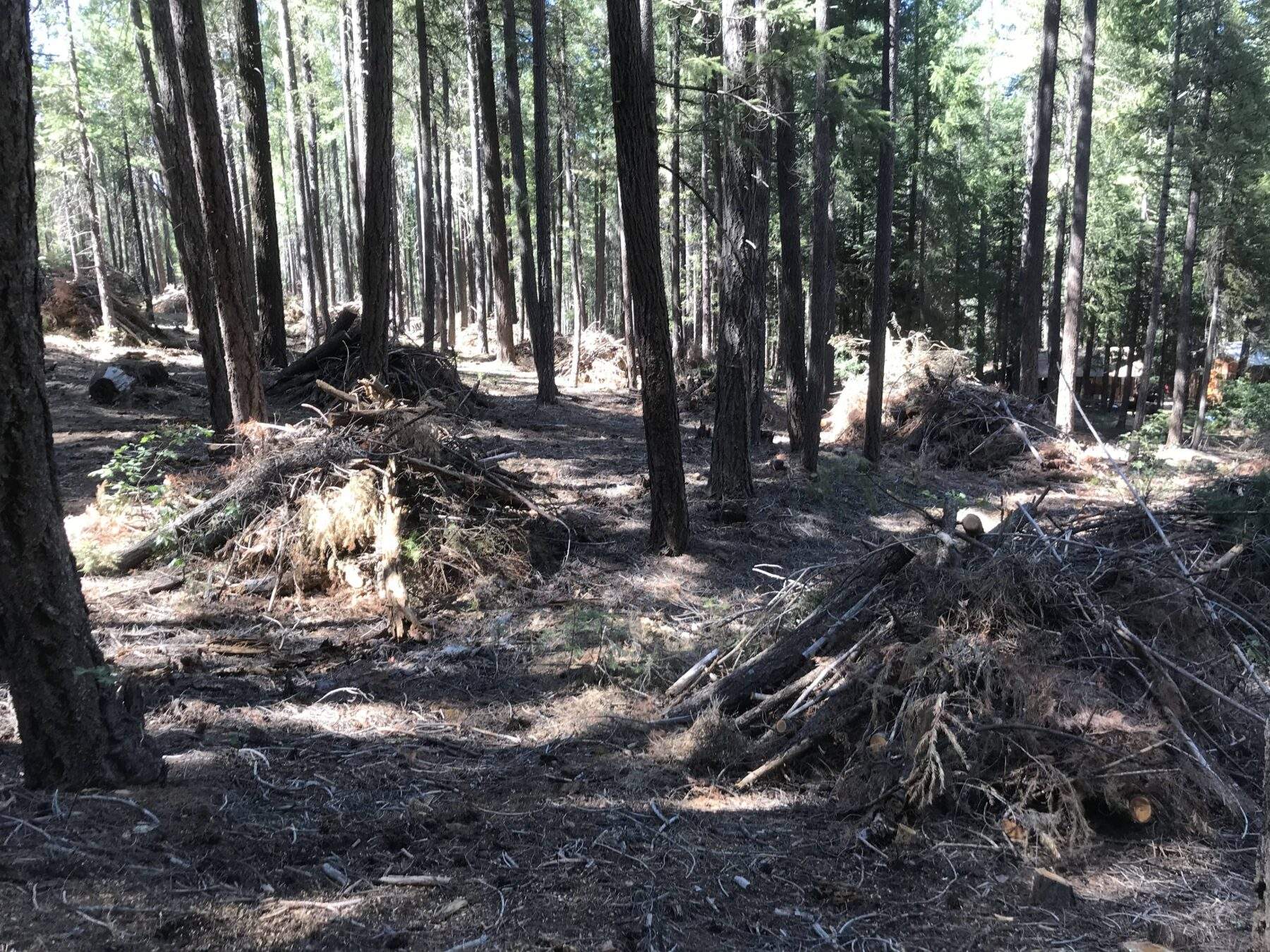
The utilization of 'biomass' has been identified as a way to proactively treat hazardous forest fuels, protect communities, and bring jobs back to rural areas. However, the definition of 'biomass' can be broadly applied to a large rand of materials, including trees, grass, plants, crops, and even animal waste. Therefore, a more precise term to use is 'woody renewables,' which refers to materials that come from the forest as a result of thinning unhealthy stands of trees or debris from logging activities. Rather than leaving behind such material, or piling and burning (which adds to air emissions and regional haze), much of it can be recovered and utilized for a variety of value-added uses. including renewable energy. The US Forest Service has set an annual target for treatment of 500,000 acres in California's Region 5 as fundamental to its ecological restoration goals, through it has yet to achieve 300,000 acres in any given reintroduced and ecological resiliency improved. Our Response
Plumas/Feather River Canyon Woody Renewables ProjectThe Sierra Institute for Community and Environment has initiated a multi-year effort to assess the feasibility of woody renewables in the Feather River Canyon and adjacent areas of the Plumas National Forest, and understand regional data gaps that constrain woody renewables utilization. Woody Renewables ResourcesThere are a number of groups working to further utilization of woody renewables in California, the West, and Nationwide. Information and links to these groups is available here and will be continuously updated as new groups emerge and current groups complete projects and research. Woody Renewables Success StoriesAs more and more woody renewables projects begin to develop state- and region-wide, we will provide information and links detailing their efforts and successes in restoring forest ecosystems and revitalizing rural communities.
|
| Last Updated on Tuesday, 15 May 2012 22:21 |


The Sierra Institute for Community and Environment and Plumas National Forest are cooperatively working on a multi-year project to link hazardous fuels reduction, job creation, and healthy forests through the expanded recovery and use of woody renewables. The project includes a technical analysis of supply in relation to current markets, the identification of policy and other barriers to cost-effective woody renewables utilization, and communication with other local and regional groups considering woody renewables utilization as a solution.